Mavera DSS
Designed a decision support system for complex case management — enabling structured, data-driven decisions at scale.
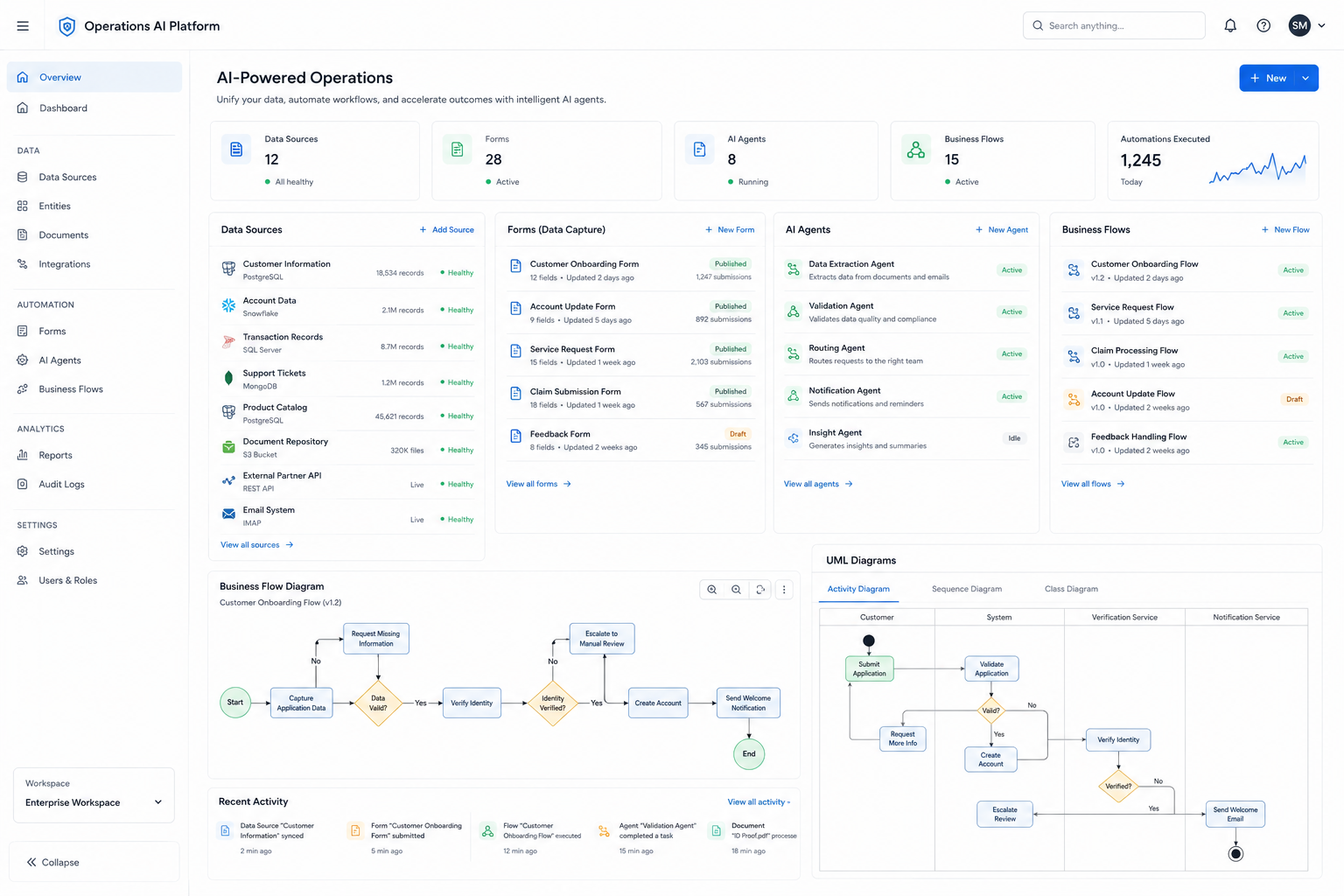
Overview
Extending an existing platform under shifting requirements
I joined an existing decision support platform mid-flight. The mandate: ship features under shifting requirements and tight deadlines, picking up AI tools fast enough to maintain stakeholder momentum. The work wasn't about building from scratch — it was about extending what was already there in a way that earned trust.
Process
Two constraints shaped the work: the platform already existed, and requirements moved while I was designing. I picked up AI tooling quickly to compress the design-validate-adjust cycle, kept new patterns aligned with the existing system, and brought stakeholders along by showing concrete moves rather than abstract direction.
Reading the platform came first. Before proposing changes, I mapped what was already there — patterns, conventions, the reasons behind decisions that weren't obvious at first. That groundwork made every subsequent proposal an extension instead of a contradiction. (Specifics under NDA.)
Design Tradeoffs
Joining an existing system mid-flight under shifting requirements meant two competing pulls: respect what was already there, or push for the structural changes the user group actually needed. The answer was rarely "replace" — almost always "extend with intent."
NDA prevents naming the specifics. Here's how I categorize the judgment calls behind this work:
Systems that scale
- Extended an existing platform, didn't replace it. Every new feature respected the established patterns; new primitives only entered the system when the user group genuinely needed them.
- Preserved system consistency under change. Even as requirements shifted, the design language stayed cohesive — new surfaces felt like the existing system, not stapled-on additions.
AI with accountability
- Picked up AI tooling fast without losing review rigor. Speed of adoption didn't replace validation — AI accelerated ideation, human review validated every output before anything shipped.
Shipping with judgment
- Read the platform before proposing changes. Asked what existed, what worked, and what users actually needed — before suggesting new patterns. We don't reinvent the wheel; we see what users need and make the simplest way.
- Treated shifting requirements as signal, not noise. When stakeholders changed direction, I adapted scope quickly without re-platforming. New asks were absorbed into the existing system, not used as excuses to break it.
- Drove stakeholder buy-in by shipping concrete moves. Showed working features early to align stakeholders on direction, rather than long-form proposals. Momentum carried the rest.
- Knew what would ship vs. balloon. HTML/CSS/JS and front-end library competency informed component decisions — including page-load and render-performance implications. The "should we build this elaborately?" question came up early, not at code review.
Retrospective
Joining an existing system mid-flight taught me to read the platform before proposing changes. The team had history, conventions, and reasons for the choices already in the system — even when those reasons weren't visible at first. Next time I'd front-load that learning even more aggressively before suggesting structural moves.
Picking up AI tools fast was the easy part — building review discipline around them was the harder one. Speed of adoption made it tempting to skip validation. I'd codify the validation pattern earlier next time: AI generates → human reviews → only then does it ship.